Skip to content


The primary bedroom is the most private room in a home, and often the last one designed with real intention. People spend money on the living room, the kitchen, the entry — and then the bedroom gets whatever is left over. At Eichholtz Las Vegas, we think that order should be reversed.
A bedroom designed like a luxury hotel suite — not in the sense of matching sets and turndown service, but in the sense of deliberate comfort, layered light, and pieces that feel considered — changes the experience of being home. It is not about spending more. It is about spending on the right things, in the right order.
The best bedrooms feel like rooms someone actually thought about — not rooms that happened to contain a bed.
Start with the bed frame, not the bedding
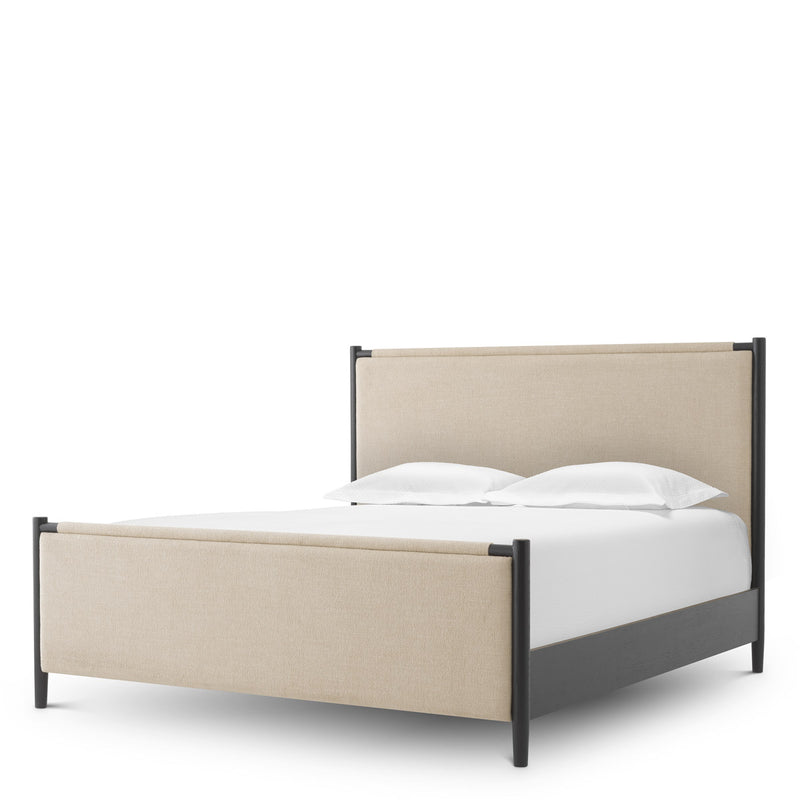
Most people buy bedding first and fit a bed frame around it. The opposite produces better results. The bed frame is the architectural element of the room — it determines proportion, establishes the tone, and anchors every other decision. A strong upholstered headboard reads the way a fireplace reads in a living room: it gives the eye somewhere to land and gives the room a reason to be arranged the way it is.
The Eichholtz collection includes a range of upholstered bed frames across different profiles. Lower-profile frames suit rooms with high ceilings or where the architecture should dominate. Taller headboards — particularly the fully upholstered styles — work better in rooms where the bed needs to compete visually with a window wall or a mural treatment behind it. In either case, the material matters as much as the height. A boucle-upholstered headboard reads as warmer and quieter than a smooth velvet, which introduces a faint gloss that changes how the room responds to morning and evening light differently.
- Proportion before everything. A king bed frame in a room that is too small for a king feels like furniture that walked into the wrong room. Measure floor-to-ceiling and wall-to-wall before committing to a frame size — and leave at least 24 inches of clearance on either side to make the bed properly accessible.
- Upholstery choice is a light decision. Matte fabrics absorb ambient light and feel softer in the evening. Smoother finishes reflect it and feel crisper in the morning. Both work — but they set a different register for the room, and the difference is most noticeable at dusk.
- Low footboards give you visual breathing room. A full footboard can feel heavy in a medium-sized room. Many Eichholtz frames offer a partial or low footboard option that lets the bedding read as a surface rather than a contained box.
The nightstand is not an afterthought
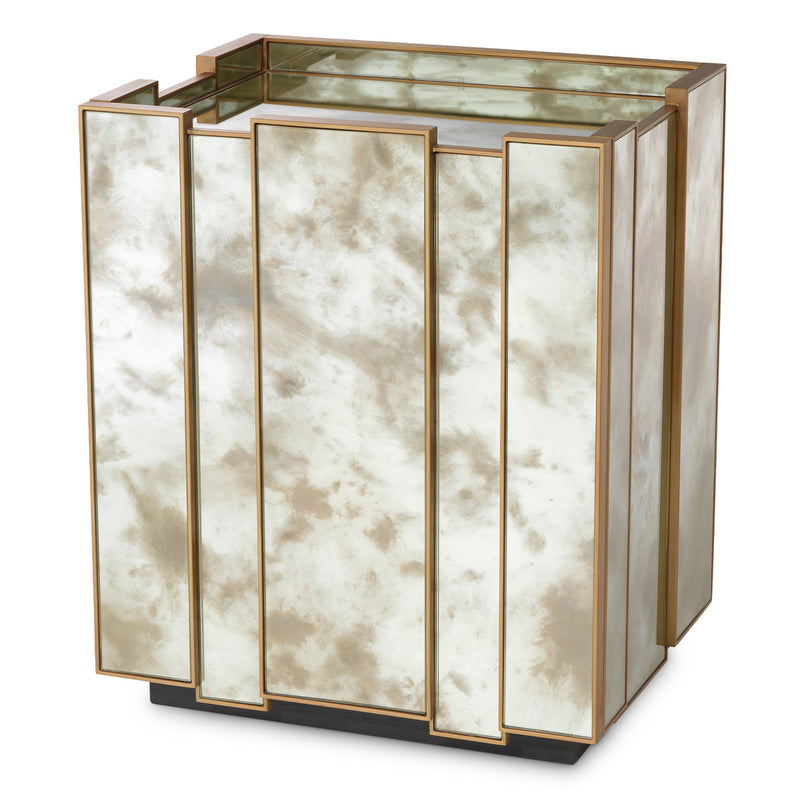
A bed without a nightstand is a bed without a context. The nightstand handles the practical — phone, water, reading glasses — but it also closes the composition. Two matching nightstands flank a bed the way two lamps flank a console: symmetrically, with intention. The height relationship between nightstand and mattress top is worth measuring before purchasing. A nightstand that sits significantly below the mattress looks accidental; one that meets the mattress level or sits just slightly below it feels designed.
Drawer configuration matters more than most people realize when they are shopping online. One deep drawer, two shallow drawers, an open shelf below — each solves a different set of habits. The Eichholtz nightstand range spans oak, lacquered, and mixed-finish options, which lets the bedside detail either echo the bed frame or provide a deliberate material contrast. Pairing a lacquered nightstand with a fabric-upholstered bed, for instance, introduces a clean tension between soft and sharp that reads well in a room with otherwise neutral tones.
Lighting is the room's mood dial
A bedroom with only overhead lighting is a bedroom with only one setting. The moment you add a table lamp — or two flanking the bed — the room gains the ability to shift. Overhead on in the morning, lamps only in the evening, nothing when you want genuine dark: that is a room that behaves like a suite rather than a box with a mattress in it.
The practical rule is to put a light source at roughly the right height for every activity the room needs to support. Reading in bed means a lamp at shoulder height when seated — not a pendant hung at ceiling height that sends you squinting upward. A dressing area means ambient light at face level, not a single downlight from above that flattens everything. An armchair in the corner needs its own light source, not borrowed glow from the nightstand on the opposite side of the room.
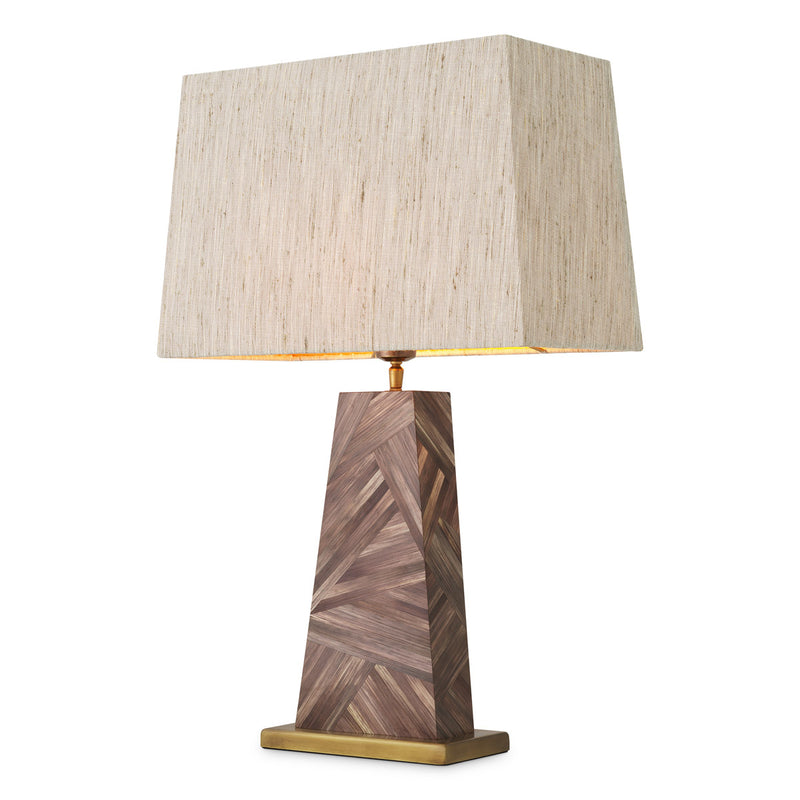
Table lamps are the most flexible tool in a bedroom. They place warm light exactly where you need it, they can move if you rearrange, and they are one of the few pieces in a bedroom that can be genuinely decorative without sacrificing function. A sculptural ceramic base in warm ivory, a turned brass form with a pleated shade, a fluted glass column with a linen drum — the lamp is where a bedroom makes an aesthetic statement at human scale, which is where you actually look from the bed.


The one non-bed piece that changes the room
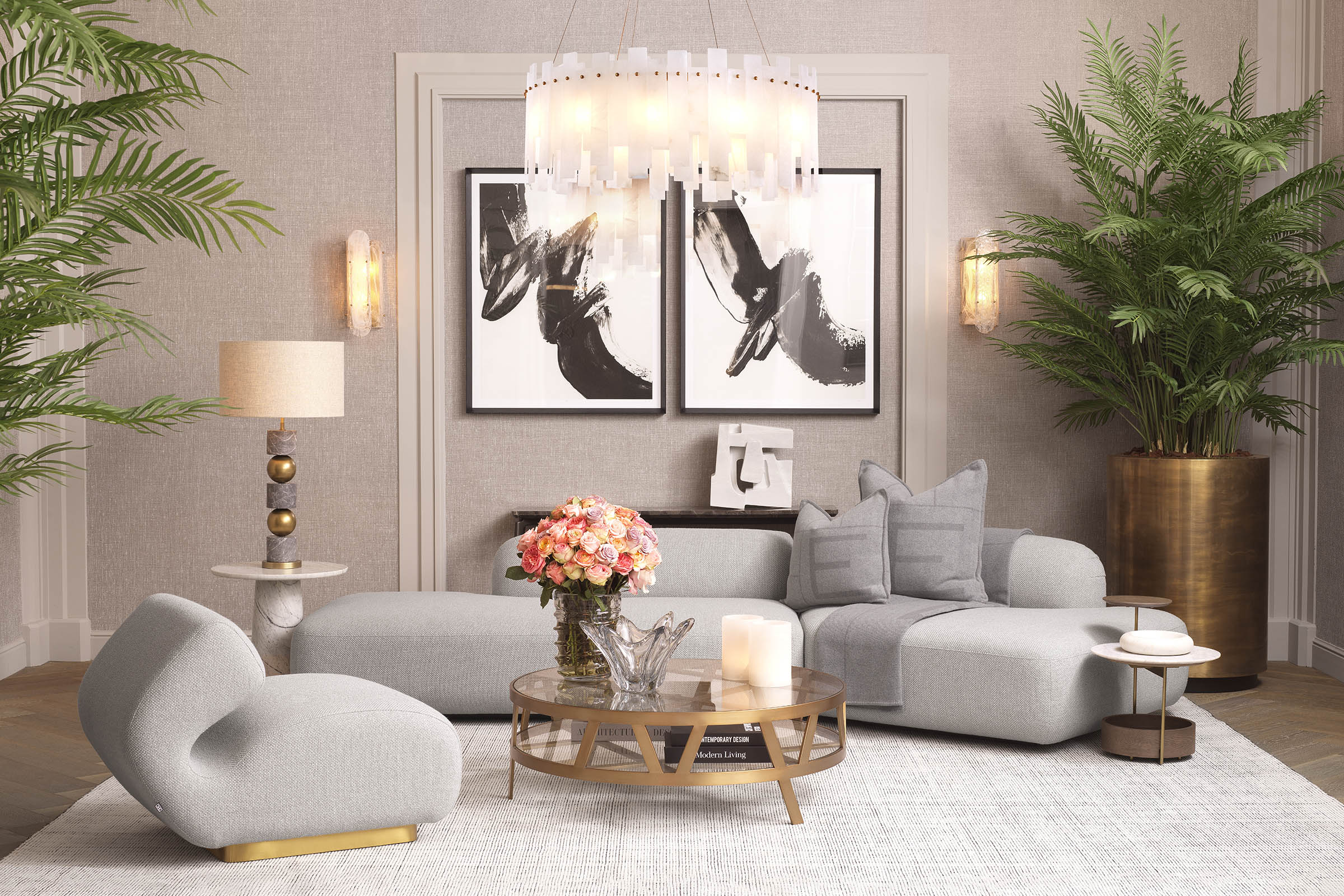
Hotel suites almost always include a chair. Not because anyone needs a chair in a bedroom — you sleep in a bed, not a chair — but because a chair signals that the room is big enough to contain more than one activity. A bench at the foot of the bed does the same work, but more narrowly. An armchair in the corner, with a floor lamp nearby, says: this is a room where you might sit and read, or put your shoes on somewhere that is not the edge of the mattress, or simply have somewhere to look that is not a flat screen.
Scale matters here more than anywhere else in the bedroom. A small room reads better with a low occasional chair or a slim slipper chair than a large wingback. A generous room can absorb a full armchair and a small side table without feeling crowded. When in doubt, place the chair in a corner — it removes it from the traffic path and creates a destination rather than an obstacle. The corner chair is the quietest luxury in a well-designed bedroom, and the one that guests notice first.
Coming to the showroom
Eichholtz in-stock pieces — including most bed frames, nightstands, and table lamps in the current collection — ship in two to four weeks from the Eichholtz warehouse network, delivered directly to your address. That is significantly faster than the twelve to twenty-four weeks standard for made-to-order luxury furniture. If you are working with a designer through the Trade Program, they can confirm current stock status and available finish options before you commit to a specification.
We open at Tivoli Village in the summer of 2026. The showroom will have full bedroom vignettes on the floor — bed frame with nightstands, lamps, and supporting pieces together — so you can see the proportions and material relationships in person before purchasing. Until then, our team is available to assist with selections by appointment, and the full collection is available to browse and specify at eichholtzlasvegas.com.
Designing a primary bedroom?
Apply for trade access and work with the full Eichholtz collection at trade pricing.
Apply for Trade Access