Skip to content


Most luxury furniture projects arrive at the same question: should this piece come from stock, or should it be made to order? At Eichholtz Las Vegas, that choice runs through two distinct parts of the collection — the main catalog, which ships from the Eichholtz warehouse network, and the Atelier line, which is built to your specification. Both are Eichholtz. The difference is in timeline, flexibility, and what the project needs.
Understanding how these two paths work — and when to use each — is one of the more practical things a designer or homeowner can know before walking into the showroom. This guide lays out the decision clearly.
The right choice isn't catalog or custom. It's knowing which one the project actually needs.
How the Eichholtz Catalog Works
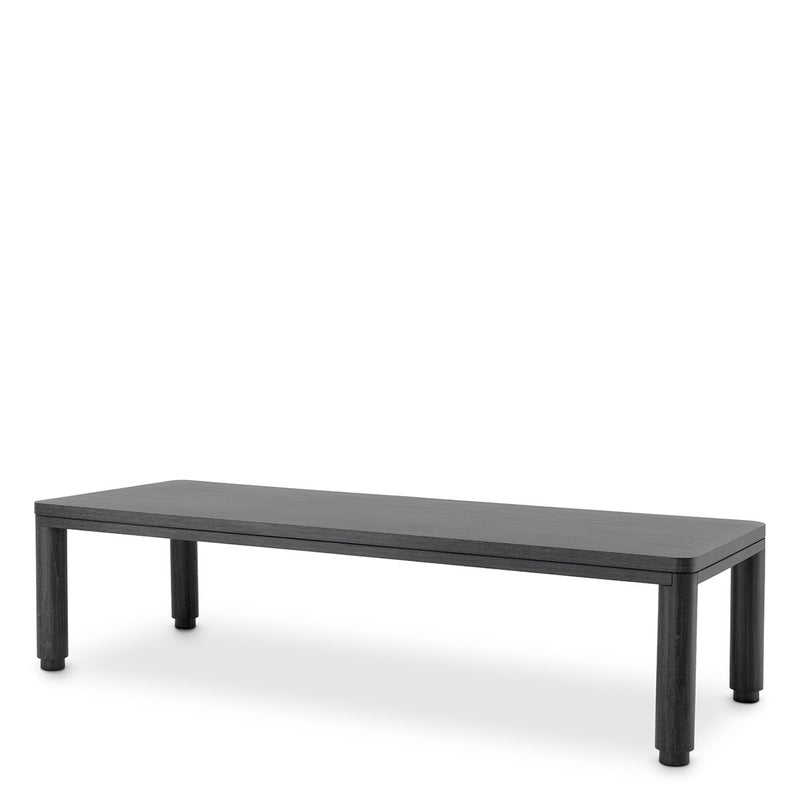
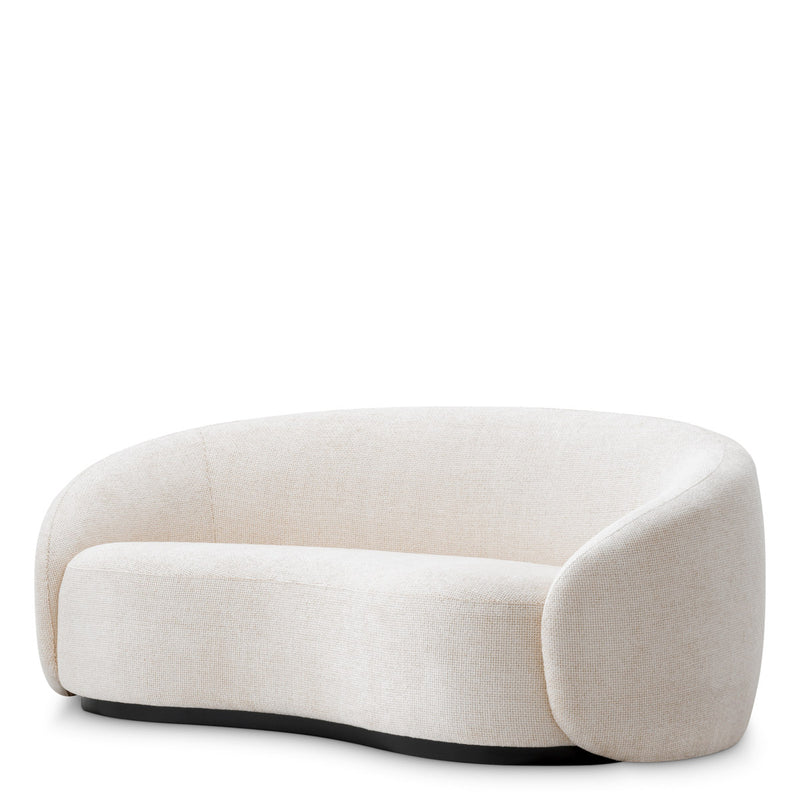
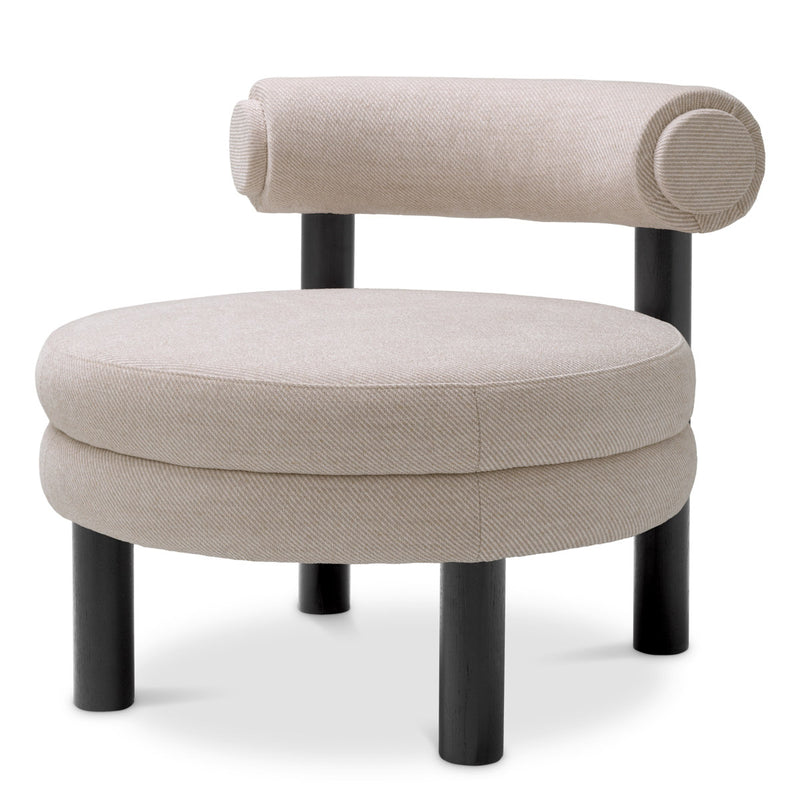
The main Eichholtz catalog is large — several thousand pieces across seating, tables, lighting, storage, and accessories. The collection is designed as a coordinated system: proportions, finishes, and material palettes are calibrated to work together, so a room built from multiple catalog pieces reads as intentional rather than assembled.
Pieces from the catalog ship from the Eichholtz warehouse network. For items that are in stock at the time of order, you're typically looking at two to four weeks from confirmation to delivery — notably shorter than the twelve to twenty-four weeks standard on made-to-order luxury furniture from most other houses. That compression matters on real projects, where contractor schedules don't wait for a sofa.
- Broad selection. Thousands of pieces across every category, from statement chandeliers to side tables, in coordinated finishes and material families.
- Faster timelines. In-stock catalog pieces typically arrive in two to four weeks — fast enough to align with most staging and installation windows.
- Proven production. Catalog pieces are established designs with documented quality. What you see in the showroom is what arrives.
- Easier specification. Dimensions, finishes, and materials are fixed, which makes quoting and project documentation straightforward.
The catalog is where most projects start — and where many projects end. The range is wide enough to accommodate everything from a single accent chair to the full furnishing of a primary residence. When the right piece exists in the catalog, there is no practical reason to look further.
What the Atelier Line Is
Atelier is Eichholtz's made-to-order program. It covers a specific group of pieces — principally tables, storage, and select seating — that can be specified in custom dimensions, finishes, and configurations not available in the standard catalog. The pieces are built after the order is confirmed.
Atelier is not an open-ended bespoke service where anything goes. It is a structured customization system: you select from a defined set of dimensions and finish options, and Eichholtz builds to those specifications. The resulting piece is still unmistakably Eichholtz in its proportions and craft — with the added precision of being built to your exact room.
- Custom dimensions. When a room calls for a specific table length or cabinet depth that doesn't exist in the catalog, Atelier makes the build possible.
- Finish specification. Select from a defined palette of finishes, including materials and tones not offered on the catalog version of a given piece.
- Longer lead times. Made-to-order means the build schedule runs after your order is confirmed. Atelier pieces are not appropriate for projects with tight installation windows.
- Higher investment per piece. Custom manufacturing carries a premium. Atelier pieces sit above their catalog equivalents.
The Decision Framework
The choice between catalog and Atelier comes down to three variables: timeline, room constraints, and whether the customization is actually load-bearing for the design.
Timeline first. If the project has a firm delivery window — a staging date, a hotel soft opening, a client move-in — start with the catalog and see if something in the range works. Atelier lead times are real, and rushing a custom build rarely ends well. If the timeline is flexible and the room calls for a specific dimension or finish, Atelier becomes the practical choice.
Room constraints second. Most rooms work with standard catalog proportions. But some rooms have features — an unusually long dining wall, a recessed alcove, an archway with a precise clearance — that make standard dimensions a compromise. If the constraint is structural and the piece is central to the room (a dining table, a custom storage unit, a console that has to fill a specific wall), Atelier is worth the additional time and cost.
Whether the customization is load-bearing. Does the project actually require a specific finish or dimension, or does it just feel better to have one? Designers often find that the catalog satisfies the design intent once they see pieces in context at the showroom. Holding out for Atelier when the catalog version would do the same work delays the project for no gain. See the pieces in person before deciding.
Mixing Catalog and Atelier in One Project
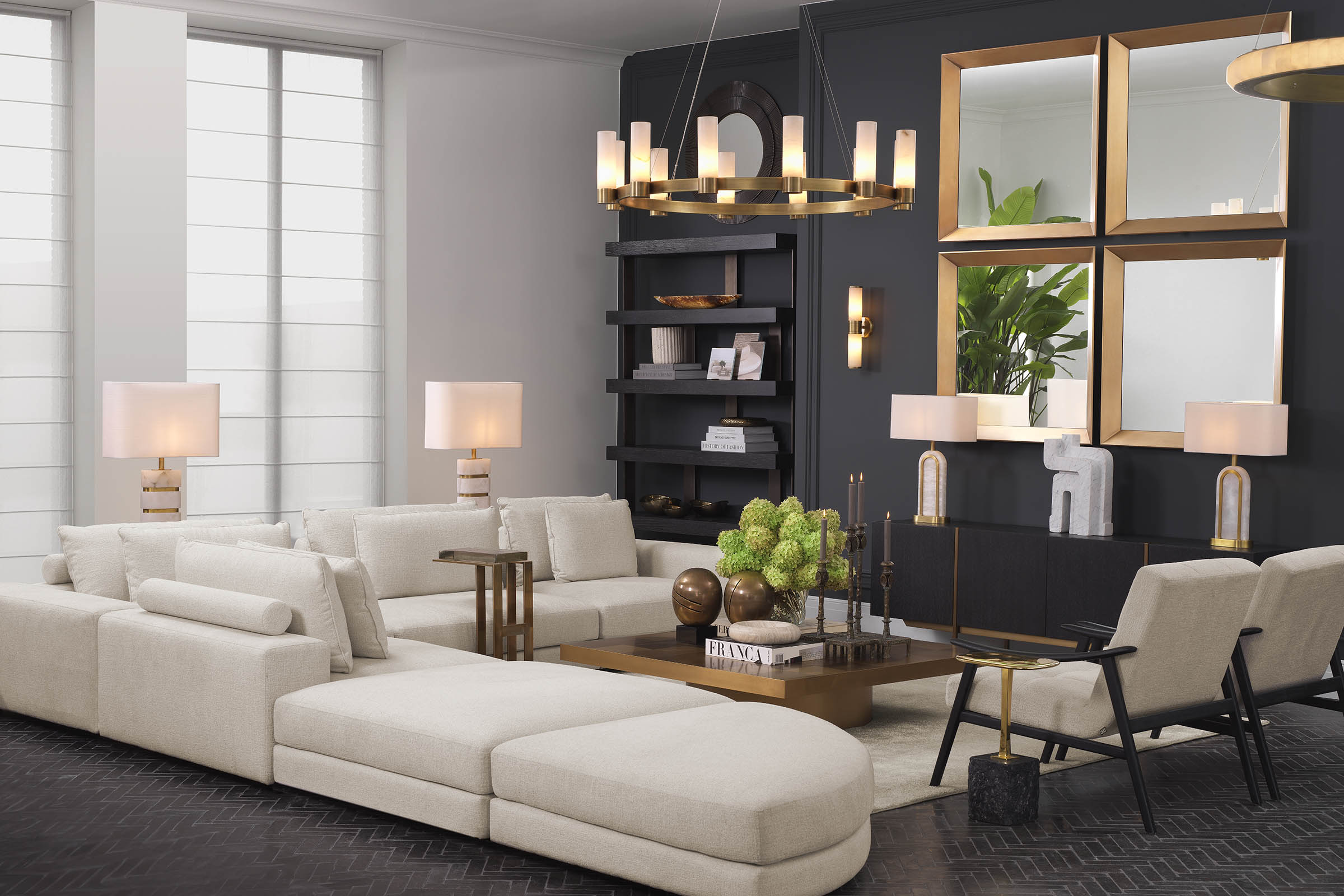
Most projects that use Atelier pieces also draw from the main catalog for surrounding furniture. This is the common pattern — and the right one. A custom Atelier dining table is supported by catalog dining chairs, a catalog chandelier overhead, and catalog sideboards along the wall. The Eichholtz design system is coherent across both lines, so mixing them doesn't create visual tension. The distinction is in the customization, not in how the pieces read together.
One practical note for designers: ordering catalog and Atelier pieces in the same project means managing two separate lead times. Stage the catalog pieces to fill the room on installation day, and plan the Atelier piece to arrive when the schedule can accommodate a second delivery window. Don't hold a project waiting for a custom table when the rest of the room is ready to go.
Seeing Both in the Showroom
The showroom at Eichholtz Las Vegas carries pieces from both the main catalog and the Atelier line. If you're weighing the decision on a specific room, bring your measurements and any reference images. The team can pull up Atelier options, walk through the finish palette, and put catalog alternatives in context so you're comparing real choices, not hypothetical ones.
Designers with a trade account can request sample access to finishes — particularly useful when specifying an Atelier piece and trying to match it against materials already in the room. If you're not yet in the trade program, application is at the link below.


Apply for Trade Access
Interior designers get dedicated support, trade pricing across the full catalog, and access to Atelier specification in the showroom.
Apply for Trade Access