Skip to content


A chaise longue is a single piece of upholstered furniture with an extended seat — long enough to stretch out on fully. A daybed is a bed that also functions as a sofa. They are related in spirit, different in function, and each belongs in a specific part of the home.
Both pieces have been part of European interiors for centuries, and both are seeing a genuine return — not as novelties but as practical answers to rooms that need more than a standard sofa can offer. The Eichholtz collection includes chaise longues and daybeds designed with the same material rigor as the sofas and armchairs: proper upholstery, considered proportions, and frames built to last. This guide covers where each piece works, how to proportion it, and what to look for when you're choosing between them.
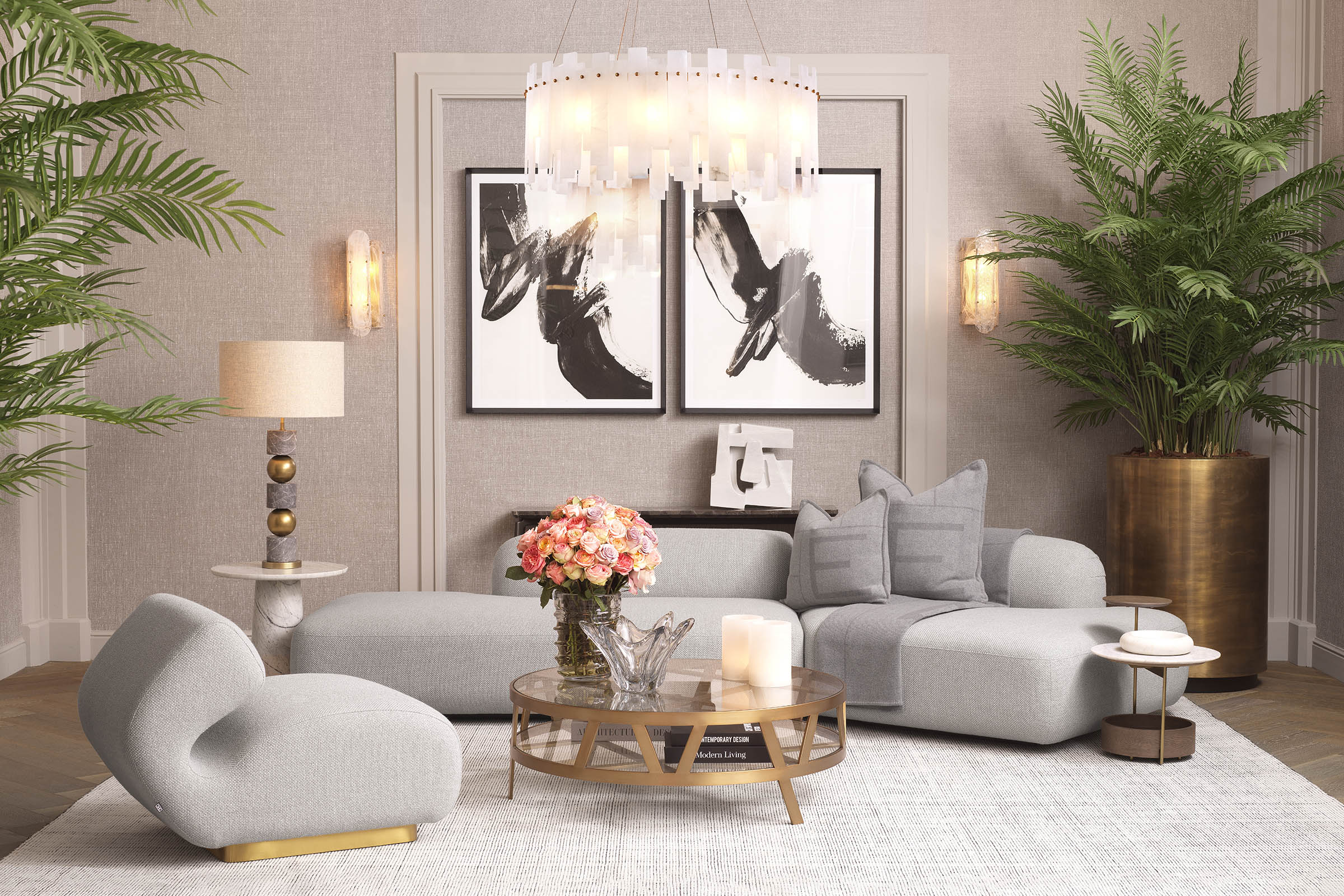
A chaise longue anchors a corner without dominating a room the way a sectional does.
Two Pieces, One Idea
Chaise longues and daybeds are often grouped together because both support a reclined posture and occupy more floor space than a standard chair. But the distinction matters for how they function in a room.
- Chaise longue. A single seat unit with an extended seat for the legs and, typically, one raised arm. It belongs in living rooms, bedroom sitting areas, and library corners — anywhere you want a piece that invites a relaxed posture without fully committing to a bed.
- Daybed. Typically the width of a twin mattress — wide enough to sleep on and styled as a sofa when dressed with bolsters and throw pillows. It belongs in guest rooms that double as studios, reading rooms, or any space where occasional overnight use matters.
The key difference is permanence. A chaise longue is always a seating piece. A daybed is convertible. If the room needs sleeping capacity on occasion, the daybed is the right answer. If the room simply needs a place to sit comfortably for long stretches — to read, to rest, to think — the chaise serves that function with a smaller footprint and a cleaner visual weight.
Where a Chaise Longue Actually Works
Most people underestimate how many rooms can absorb a chaise longue without it feeling out of place. The piece reads as unusual only when it's placed without purpose.
The primary bedroom is the most natural setting. A chaise at the foot of the bed has practical logic — it gives you a place to lay out clothes in the evening, sit while getting dressed, or read in the morning without getting back into bed. In a bedroom with a generous footprint, a chaise longue fits naturally. The scale is proportionate, and the piece reads as deliberate furniture rather than an afterthought.
The living-room corner is the second strongest setting. L-shaped rooms and rooms with an awkward alcove or bay window often have a corner that a standard chair can't quite fill. A chaise longue solves this. It is wider than an armchair and narrower than a settee, which means it can occupy an angled or asymmetric space without blocking the main circulation path. Positioned at an angle to the primary sofa, it creates a secondary seating moment without requiring a full lounge chair grouping.
The home office or library is an underused setting. If you work from home and the office includes a sitting area, a chaise replaces a guest chair with something more genuinely useful. It accommodates the reading posture — one that a straight-back chair never quite delivers — and it doesn't compete visually with a desk the way a second fully upholstered chair can.
One practical note on scale: a chaise longue needs at least thirty-six inches of clearance in front of it to be usable. If the room can't give it that, a deeper armchair is the better call. The piece needs room to breathe, and it needs to be reachable from the correct side.
Where a Daybed Works
A daybed is a more committed piece than a chaise longue. It reads as a bed when the room is used for sleeping, and it reads as a sofa when styled correctly — with a bolster along the back, throw pillows at each end, and a blanket folded over one armrest. The styling is what makes the transition work. Without it, a daybed in a living-room context looks like a narrow mattress on a frame.
Done well, it is one of the more versatile pieces in a home.
The studio or flex room is the most practical setting. The room serves as an office, art space, or reading room during the day, and converts to a guest room when visitors arrive. A daybed handles both without requiring a wall bed or a fold-out sofa — both of which sacrifice either appearance or comfort. A well-chosen daybed frame reads as furniture in both modes: the proportions hold up during the day, and the surface is genuinely comfortable overnight.
The indoor sunroom or conservatory is a less obvious but very natural setting. Rooms built for reading and afternoon light — rooms with large windows, garden views, or a greenhouse quality — often lack a piece that matches the relaxed character of the space. A daybed fits in a way that a standard sofa doesn't. The horizontal posture reads as deliberately casual. It's a room that gives people permission to slow down.
The grown-up teenager's room is a third strong case. As a young person moves from a standard bed to a room that also functions as a lounge for friends, a daybed keeps the sleeping function without making the room look purely like a bedroom. Done with the right frame and upholstery, it's an attractive and practical solution.


Getting the Scale Right
Both chaise longues and daybeds are longer than most furniture in the room, which means proportion matters more, not less. A piece that's the wrong size isn't just uncomfortable — it throws off the spatial balance of the entire room.
A chaise longue that runs sixty inches or longer needs a room that is at least fourteen feet on its longest wall. In a smaller room, the piece will feel crowded unless it replaces something rather than joins something already in place. It works well next to a sofa in an open-plan layout; it rarely works in a small room that already carries a full upholstered seating arrangement.
For daybeds, the question is whether the piece can carry the room. If the room is used primarily for sleeping with some daytime sitting, the daybed should be the largest horizontal piece. If it shares the room with a sofa and chairs, it needs enough visual weight — a substantial frame, a high back, or a distinctive material — to hold its own in the composition.
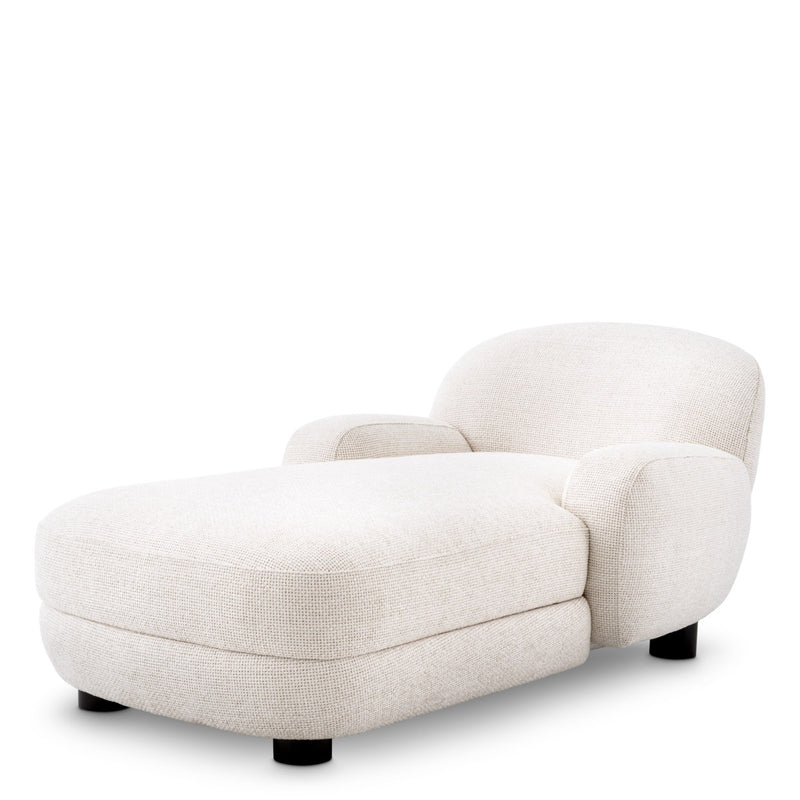
The Eichholtz collection offers both contemporary and classical forms. The Pioneer chaise longue has an arched back and clean lines in bouclé gray — it reads well in neutral modern rooms and pairs naturally with low-profile tables and restrained lighting. The Udine chaise longue has sculpted arms and a recessed backrest — it has more architectural presence and suits rooms with richer material palettes or more detailed finishes.
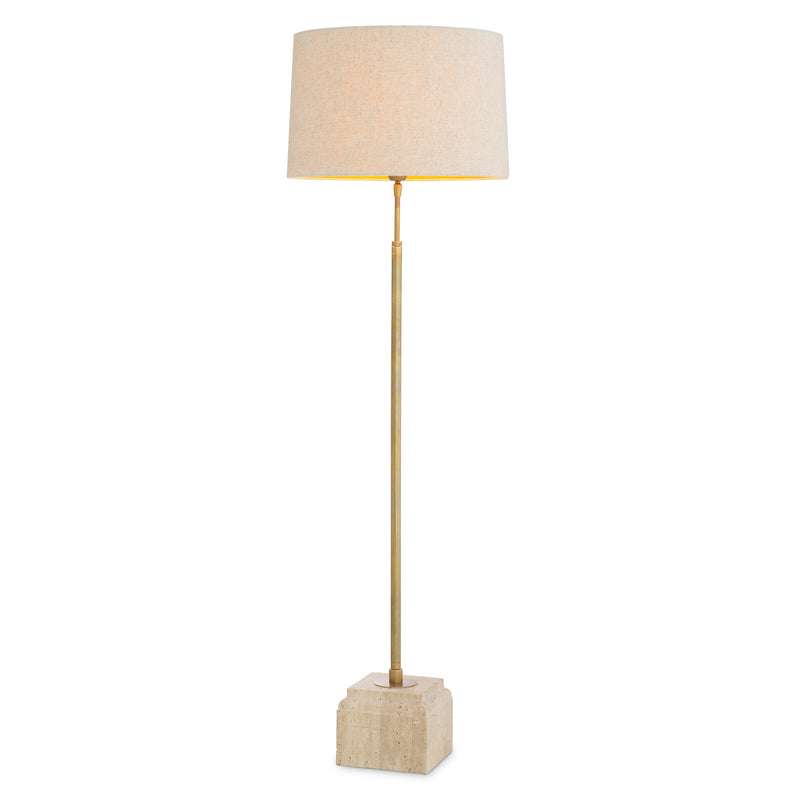
A floor lamp is the natural companion to either piece. A chaise or daybed positioned for reading needs light from behind and slightly above — a ceiling fixture overhead doesn't deliver this, and it casts shadows in exactly the wrong places. An adjustable-shade floor lamp, positioned to the side and slightly behind the seated position, solves this without any rewiring. The Rialta floor lamp is a strong example of this: a clean, slender form that works across a range of room styles without imposing a particular aesthetic.
In Our Showroom This Summer
The Eichholtz Las Vegas showroom opens at Tivoli Village this summer. Chaise longues appear in several of the vignettes on the floor — in context, alongside sofas, tables, and lighting. That's the only honest way to show them. A chaise longue displayed in isolation tells you very little. A chaise in a styled corner, with a floor lamp positioned correctly and a side table at the right height, shows you exactly what it can do in a real room.
In-stock Eichholtz pieces typically ship within two to four weeks from the warehouse network — considerably faster than the twelve to twenty-four weeks standard on made-to-order luxury furniture. If you're working on a project with a deadline, we can usually accommodate it. Come in, see the pieces in person, and we'll talk through what works for your room.
See Them in Person
Visit us at Tivoli Village this summer, or connect with our team about a project.
Apply for Trade Access